
Understanding the Ecosystem The Resources section brings together the frameworks, reports, presentations, diagrams, updates, and ecosystem documents helping shape the growing AIDE ecosystem. These resources are designed to help municipalities, educators, implementation partners, communities, and stakeholders better understand: • Human Infrastructure, • district collaboration, • digital transformation, • future workforce participation, • and the practical systems emerging around the future economy. The objective is not only to share information. It is to help make complex change easier to understand, explore, and participate in.
FRAMEWORK DOCUMENTS
Building the Foundation
The AIDE ecosystem continues to evolve through practical implementation, collaboration, and shared learning.
Framework documents help explain the thinking, structure, and long-term direction behind the ecosystem while making the broader vision more accessible to communities and partners.
Available resources may include:
- the AIDE Human Infrastructure Framework,
- Executive Summaries,
- Digital Transformation Briefs,
- district ecosystem overviews,
- and future workforce participation papers.
These documents explore how infrastructure, participation, technology, local economies, and workforce development can become more connected over time.

Learning Through Real-World Activity
AIDE is designed as a living ecosystem that grows through practical implementation and ongoing collaboration.
Implementation reports help document how ideas evolve into real participation environments through district collaboration, local partnerships, and shared learning.
This may include updates related to:
- West Coast ecosystem development,
- coalition collaboration,
- district participation models,
- local implementation activity,
- and future workforce development.
Rather than presenting fixed solutions, these reports help capture lessons, progress, challenges, and emerging opportunities as the ecosystem continues developing.
Making Complex Systems Easier to Understand
AIDE uses visual storytelling, diagrams, presentations, and ecosystem mapping to help explain how connected systems work together.
These materials help simplify ideas related to:
- Human Infrastructure,
- district ecosystems,
- participation models,
- smart infrastructure,
- and future workforce development.
Resources may include ecosystem diagrams, presentation decks, implementation maps, strategic visuals, and communication graphics designed to make complex systems feel more practical and understandable.
Understanding a Changing World
South Africa is entering a period of accelerated digital transformation as public systems, infrastructure, and economic environments continue evolving through technology.
For many people, these changes can feel uncertain or difficult to navigate.
This section explores how communities, municipalities, educators, and local economies can prepare for a future increasingly shaped by:
- Digital Public Infrastructure,
- AI-assisted systems,
- smart infrastructure,
- connected public services,
- and changing workforce environments.
Resources may include public participation guides, discussion papers, ecosystem reflections, digital readiness content, and practical briefing notes designed to help make change feel more accessible and understandable.

Making the Future Feel Human
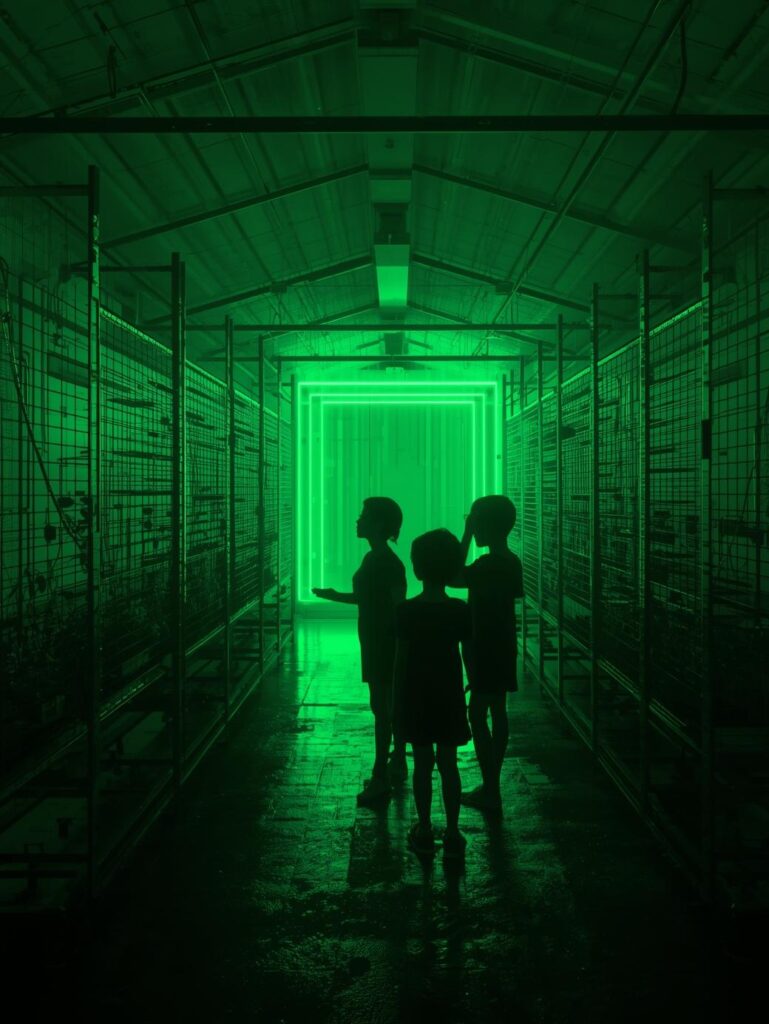
Mzantsi Connect forms the storytelling and public awareness layer of the broader ecosystem.
Through interviews, conversations, visual media, and implementation stories, the platform helps communities better understand how technology and economic change affect everyday life.
The focus is not only on systems and strategy.
It is also about people:
- young people building confidence through participation,
- communities exploring new opportunities,
- municipalities adapting to change,
- and local ecosystems finding practical ways to participate in the future economy.
The objective is to make technological and economic change feel practical, relatable, and human.
Learning, Adapting & Growing Together
AIDE continues evolving through practical implementation, district collaboration, ecosystem learning, and shared participation.
The Resources section will continue growing as new frameworks, district models, participation approaches, local technologies, and implementation experiences emerge across the ecosystem.
The objective is not to present a finished system.
The objective is to support a living ecosystem capable of learning, adapting, and growing over time.


Participate in the Conversation
Whether you are a municipality, educator, student, technologist, implementation partner, business, or community participant, there are multiple ways to engage with the growing Human Infrastructure ecosystem.
The future economy will require collaboration, shared learning, and practical participation across many sectors of society.
AIDE exists to help create spaces where those connections can grow.
Be Part of South Africa’s Smart Future
Shared Knowledge. Shared Participation.
The future economy will require not only new technologies, but shared understanding, practical collaboration, and meaningful participation capable of supporting long-term inclusion and resilience.
Smart Infrastructure requires Human Infrastructure.
.